Mideast Conflict Escalates: Gulf Energy Infrastructure at Risk as Tensions Soar
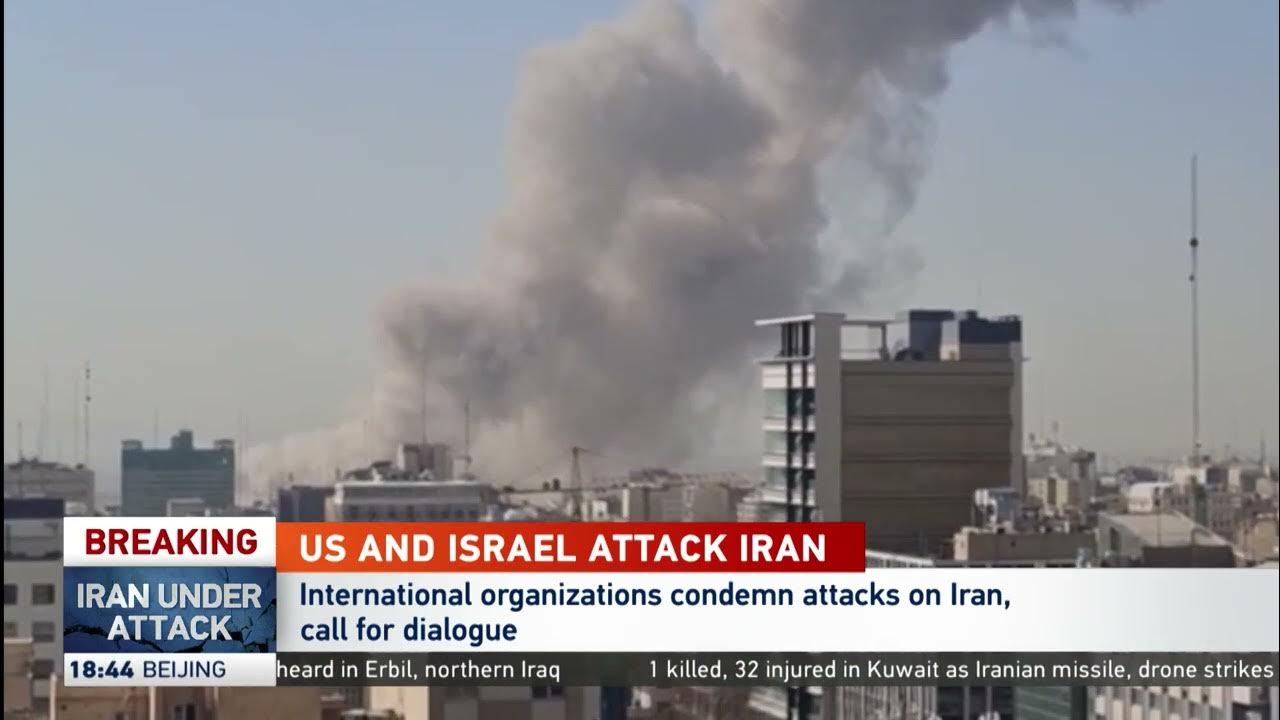
The Middle East, a region perpetually at the heart of global geopolitical discussions, is once again witnessing a dramatic escalation of conflict. Recent developments, marked by intensified military actions involving major powers and regional players, have cast a long shadow over global energy markets. As mideast tensions rise, the world watches with bated breath, particularly due to the direct threats now posed to vital Gulf energy infrastructure. This isn't just a distant political struggle; it's a dynamic that promises immediate and far-reaching consequences, from spiking gas prices at your local pump to significant disruptions in international trade routes.
What began as localized skirmishes has broadened into a multi-front engagement, with the potential for prolonged conflict now a stark reality. The involvement of key energy producers and transit nations ensures that every military maneuver, every diplomatic statement, sends ripples through supply chains and financial markets worldwide. Understanding the complexities and potential fallout of this escalating situation is crucial for consumers, businesses, and policymakers alike.
The Immediate Impact: What Rising Mideast Tensions Mean for Your Wallet
One of the most immediate and tangible effects of increased instability in the Middle East is felt directly by consumers at the gas pump. Drivers, whether in Charlotte, N.C., or Copenhagen, Denmark, are likely to experience the sting of higher fuel prices sooner rather than later. Experts warn that even modest increases already observed could quickly morph into sharper spikes, possibly within days.
Why such a rapid reaction? The global oil market is incredibly sensitive to instability, especially in major producing regions like the Middle East. Iran, a significant player in this market, and its proximity to key global oil shipping lanes, mean that even the threat of disruption can send oil prices soaring. As Tiffany Wright, Carolinas public affairs director, aptly put it, "Iran is a huge global player. So anytime their infrastructure has any kind of disruption to them is going to be a ripple effect that we're going to see, that other countries are going to see." This isn't necessarily about immediate supply cuts; it's often a speculative response where traders anticipate future shortages, driving up prices before any actual supply interruptions occur. This phenomenon, known as a "risk premium," becomes more pronounced as mideast tensions rise.
Practical Tip for Consumers: While you can't control global oil prices, you can mitigate their impact. Consider adopting more fuel-efficient driving habits, consolidating trips, or exploring public transportation options. Now might also be a good time to budget for potentially higher energy costs in the coming weeks and months. For a deeper dive into local impacts, read our detailed analysis: Middle East Conflict: Charlotte Gas Prices Face Sharp Hike.
Escalation and Widening Conflict: A Deeper Dive into the Latest Developments
The current escalation is characterized by a dangerous tit-for-tat dynamic. Recent reports confirm Israeli and U.S. airstrikes pounding targets within Iran, an operation U.S. President Donald Trump indicated could last several weeks. In retaliation, Tehran and its allies have broadened their counter-attacks across the region, targeting Israel and various sites within Gulf states, including critical energy facilities in Qatar and even the American Embassies in Saudi Arabia and Kuwait.
The intensity of these attacks, coupled with the profound impact of events like the killing of Iranian Supreme Leader Ayatollah Ali Khamenei, underscores the severity of the situation. There appears to be no clear exit strategy, setting the stage for what many fear will be a prolonged conflict with far-reaching consequences. Places previously considered safe havens, such as Dubai, have experienced incoming fire, signifying the expanding geographical scope of the conflict. The U.S. State Department has urged American citizens to evacuate over a dozen Middle Eastern countries, highlighting the elevated safety risks.
U.S. Secretary of State Marco Rubio affirmed that "The hardest hits are yet to come from the U.S. military," outlining objectives to dismantle Iran's missile capabilities, neutralize its navy, prevent it from acquiring nuclear weapons, and curb its support for allied groups like Lebanon's Hezbollah, which has also launched missiles at Israel. While Iran maintains its nuclear program is peaceful and has denied enriching uranium since June, the U.S. is clearly prepared for a sustained campaign. For more insights into the duration and broader global implications of this conflict, explore: US Warns Weeks of Mideast Conflict: Global Impact Explored.
Gulf Energy Infrastructure: The New Front Line
Perhaps the most alarming development in the current crisis is the explicit targeting of Gulf energy infrastructure. This marks a significant and dangerous escalation, as it directly threatens the arteries of the global economy. Early Tuesday, Saudi Arabia reported that its U.S. Embassy in Riyadh was attacked by two drones, causing a "limited fire" and minor damage. Even more critically, the Ras Tanura oil refinery in Saudi Arabia – a facility with a colossal capacity of over half a million barrels of crude oil per day – came under drone attack, though its defenses reportedly intercepted the aircraft.
Torbjorn S, an expert quoted in the context, noted that the refinery attack "marks a significant escalation, with Gulf energy infrastructure now squarely in Iran’s sights." This proximity to key global oil shipping lanes, particularly the Strait of Hormuz, amplifies concerns. The Strait of Hormuz is a narrow waterway connecting the Persian Gulf to the open ocean, through which an estimated 20% of the world's total petroleum liquids consumption flows daily. Any disruption here, real or threatened, has immediate and catastrophic global repercussions. As mideast tensions rise, the vulnerability of this vital infrastructure becomes a paramount concern for every nation reliant on stable energy supplies.
Fact: The Persian Gulf states (Saudi Arabia, Iran, Iraq, UAE, Kuwait, Qatar) collectively hold approximately 48% of the world's proven oil reserves and over 38% of the world's proven natural gas reserves. Their strategic importance cannot be overstated.
Navigating Uncertainty: Tips and Outlook for Businesses and Consumers
The escalating Mideast conflict introduces a significant degree of uncertainty for global markets, businesses, and individual consumers. Preparing for potential impacts is prudent:
For Consumers:
- Monitor Energy Prices: Keep an eye on local gas prices through apps and news outlets to anticipate potential spikes.
- Review Household Budgets: Factor in potentially higher costs for transportation, heating, and goods as energy price increases often cascade through the economy.
- Consider Long-Term Alternatives: If high energy prices persist, exploring electric vehicles, home insulation, or renewable energy sources might become more economically viable.
For Businesses:
- Supply Chain Resilience: Evaluate your supply chain's vulnerability to disruptions in energy supply or shipping routes. Can you diversify suppliers or transportation methods?
- Hedging Strategies: Businesses heavily reliant on fuel (e.g., logistics, airlines) might consider hedging fuel costs to lock in prices and reduce volatility risk.
- Scenario Planning: Develop contingency plans for prolonged periods of high energy prices or potential disruptions to international trade.
- Communicate with Stakeholders: Transparency with employees, customers, and investors about potential impacts and mitigation strategies is crucial.
Beyond direct energy costs, the widening conflict could lead to broader inflationary pressures, impacting global stock markets and increasing shipping insurance premiums, which in turn affect the cost of imported goods. The stability of the Middle East is intrinsically linked to global economic health, making the current escalation a concern for every corner of the world.
Conclusion
The escalating conflict in the Middle East is more than just a regional dispute; it is a global flashpoint with profound implications for energy security and economic stability. As mideast tensions rise, the direct targeting of Gulf energy infrastructure signals a dangerous new phase, threatening to disrupt critical oil and gas flows that power the world. While the precise duration and ultimate outcome remain uncertain, the immediate effects of higher fuel prices and broader economic instability are already being felt. Vigilance, adaptability, and a clear understanding of these complex dynamics will be essential for individuals and organizations alike as we navigate these turbulent times.