The Unfolding Crisis: Weeks of Conflict Ahead in the Middle East
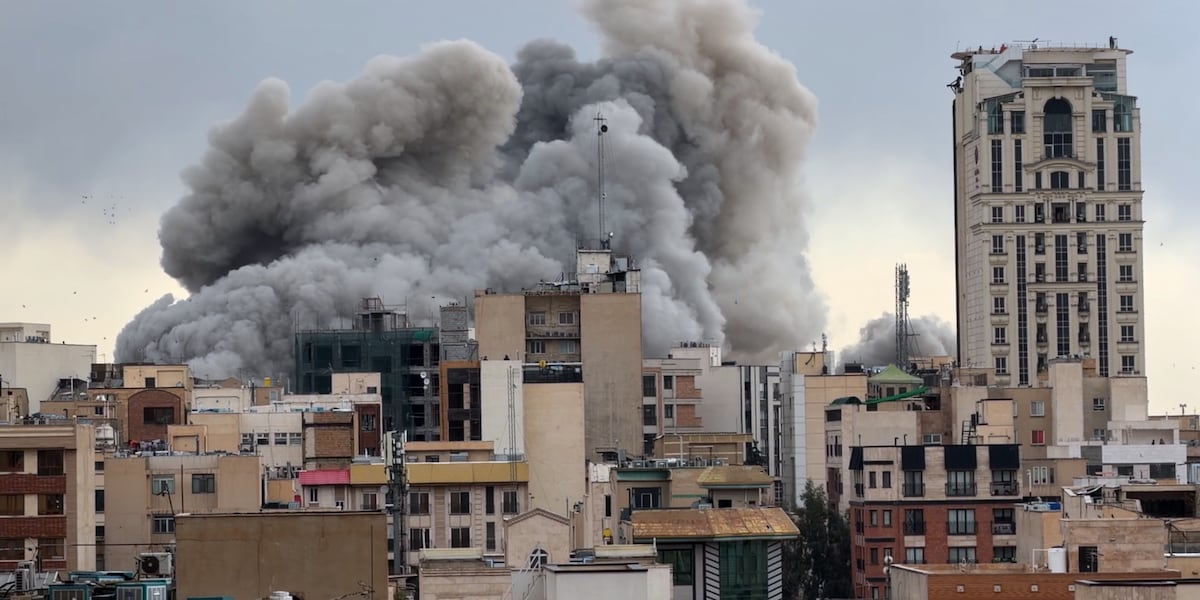
The Middle East is grappling with an escalating conflict, with warnings from the United States indicating that military operations against Iran are likely to persist for several weeks, if not longer. This stark prediction comes as a result of intensified airstrikes by Israeli and U.S. forces targeting Iran, which have been met with swift retaliation across the region by Tehran and its allies. The conflict has seen attacks on Israel, various targets within Gulf states, including vital energy facilities in Qatar, and even U.S. Embassies in Saudi Arabia and Kuwait. This widening scope underscores a perilous period where mideast conflict escalates, Gulf energy infrastructure at risk, sending ripples of concern across global markets and security landscapes.
U.S. President Donald Trump has articulated that these operations could extend for four to five weeks, expressing readiness to continue "far longer than that" if necessary. The intensity of the attacks, coupled with the reported killing of Iranian Supreme Leader Ayatollah Ali Khamenei and an apparent lack of a clear exit strategy, sets the stage for a potentially prolonged and deeply destabilizing period. Secretary of State Marco Rubio affirmed that "the hardest hits are yet to come from the U.S. military," highlighting the serious intent behind the campaign. The primary objectives outlined by President Trump include dismantling Iran's missile capabilities, neutralizing its navy, preventing the acquisition of nuclear weapons, and curtailing its support for allied groups such as Lebanon's Hezbollah, which has also launched missiles at Israel.
Iran, for its part, has maintained that its nuclear program is peaceful and asserts it has not enriched uranium since June, while reserving the right to do so. Despite airstrikes hitting its capital, Tehran, top security official Ali Larijani vehemently stated, "We will not negotiate with the United States," signaling a hardened stance that promises to exacerbate the already volatile situation. As mideast tensions rise, the humanitarian and political consequences for the region and beyond are becoming increasingly severe.
Global Energy Markets on Edge: The Ripple Effect of Mideast Tensions
One of the most immediate and tangible impacts of the escalating Middle East conflict is the severe disruption and uncertainty gripping global energy markets. Oil prices have surged, reflecting the deep anxieties surrounding supply chains in a region critical to the world's energy needs. Experts are warning consumers, particularly in places like Charlotte, N.C., to brace for significant increases at the gas pump. While some modest seasonal price hikes are typical for spring, the renewed conflict could trigger much sharper spikes, potentially within days.
Tiffany Wright, Carolinas public affairs director, emphasized Iran's pivotal role in the global energy market. "Iran is a huge global player," Wright stated. "So anytime their infrastructure has any kind of disruption to them is going to be a ripple effect that we’re going to see, that other countries are going to see." This sensitivity stems from Iran's status as a major oil producer and its strategic geographical position. The country borders the Strait of Hormuz, a narrow waterway through which roughly one-fifth of the world's total petroleum consumption passes daily. Any threat to this vital shipping lane, even perceived, is enough to send commodity traders into a frenzy, driving prices upward even before actual supply interruptions occur.
The recent attacks on energy infrastructure underscore these concerns. Saudi Arabia reported that its critical Ras Tanura oil refinery, with a capacity exceeding half a million barrels of crude oil per day, came under drone attack, though its defenses successfully downed the aircraft. Such incidents mark a significant escalation, as they demonstrate that key Gulf energy facilities are now squarely in the sights of warring factions. For consumers in the Carolinas and beyond, this means that budgeting for higher fuel costs is becoming an unfortunate necessity, as the world watches anxiously for developments that could further destabilize the fragile oil market. The constant threat of disruption means that global oil prices often react quickly to instability, leaving little room for complacency as mideast tensions rise.
Economic and Geopolitical Fallout: Beyond the Pump
The ramifications of prolonged conflict in the Middle East extend far beyond fluctuating gas prices. The intensified geopolitical instability threatens to derail global economic recovery, disrupt international trade, and foster widespread uncertainty. World markets have been visibly rattled as the fighting expands across a region that is not only vital for energy supplies but also a significant hub for trade and investment.
Economically, sustained mideast tensions rise and lead to:
- Supply Chain Disruptions: Beyond oil, shipping routes could become riskier, leading to increased freight costs and delays for goods traversing the region. This impacts everything from manufactured goods to agricultural products.
- Inflationary Pressures: Higher energy costs are a direct driver of inflation, increasing the cost of production and transportation across nearly all sectors. This could erode purchasing power globally.
- Investor Confidence: Geopolitical instability typically causes investors to retreat from riskier assets, leading to stock market volatility and a flight to safe havens, potentially impacting global investment flows and economic growth.
- Insurance Premiums: Companies operating in or shipping through the Middle East may face significantly higher insurance costs, adding another layer of expense that can be passed on to consumers.
From a geopolitical perspective, the conflict risks broader regional destabilization. Places once considered safe havens, such as Dubai, have now experienced incoming fire, blurring traditional lines of conflict. The U.S. State Department has urged American citizens to evacuate more than a dozen Middle Eastern countries due to heightened safety risks, signaling the severe threat level for civilians and exacerbating travel anxieties. International alliances are being tested, with U.S. allies pledging support against Iranian missiles and drones, potentially drawing more actors into the fray. The conflict also carries immense humanitarian concerns, threatening increased displacement, casualties, and a deepening of existing crises in the region.
Navigating Uncertainty: Practical Insights for Businesses and Consumers
In times of such profound geopolitical turbulence, understanding the potential impacts and adopting proactive strategies becomes paramount for both businesses and individual consumers. As mideast tensions rise, preparedness can help mitigate some of the inevitable challenges.
For Consumers:
- Budget for Higher Fuel Costs: Anticipate and adjust your budget for increased gas prices. Consider carpooling, utilizing public transportation, or planning travel more efficiently to reduce fuel consumption.
- Monitor News & Travel Advisories: Stay informed through reputable news sources. If you have travel plans to the region, consult the U.S. State Department's travel advisories regularly for the latest safety information and recommendations. Travel insurance with robust cancellation policies might be a wise consideration.
- Review Household Finances: Inflationary pressures from energy costs can impact other areas of your spending. Review your overall household budget to identify areas where you can conserve or be more efficient.
For Businesses:
- Supply Chain Resilience: Diversify your supply chain sources and transportation routes where possible to reduce dependency on volatile regions. Scenario planning for disruptions is crucial.
- Energy Hedging Strategies: Businesses heavily reliant on fuel or energy may explore hedging strategies to lock in prices and protect against extreme volatility.
- Risk Assessment and Contingency Planning: Conduct thorough risk assessments related to your operations, investments, and personnel in affected regions. Develop robust contingency plans for various scenarios, including evacuation procedures for employees.
- Communication: Maintain open lines of communication with employees, suppliers, and customers regarding potential impacts and any necessary operational adjustments.
The current situation demands a sober assessment of global interconnectedness. Events unfolding thousands of miles away can have direct, tangible effects on daily life and economic stability worldwide. Understanding these dynamics is the first step towards resilience.
Conclusion
The U.S. warning of weeks of sustained conflict in the Middle East signals a critical period of elevated global risk. From the immediate shockwaves felt in gas prices across locales like Charlotte to the broader implications for international trade, economic stability, and geopolitical order, the ripple effects are undeniable. Iran's significant role in global energy, its strategic location, and its retaliatory actions underscore the severity of the situation. As mideast tensions rise, the international community faces the daunting task of navigating an intensifying conflict with far-reaching consequences. Both individuals and businesses must remain vigilant, informed, and proactive in adapting to the evolving landscape, emphasizing resilience and strategic planning in these uncertain times. The need for diplomatic solutions and de-escalation is more urgent than ever to avert further economic and human costs.